
There’s a particular kind of satisfaction that comes from seeing your work written about in the trade press. Not because you need the validation, but because it means the conversation is happening in the right rooms.
You can eread the article here: https://www.tvbeurope.com/virtual-production/the-technology-behind-itvs-hybrid-world-cup-studio
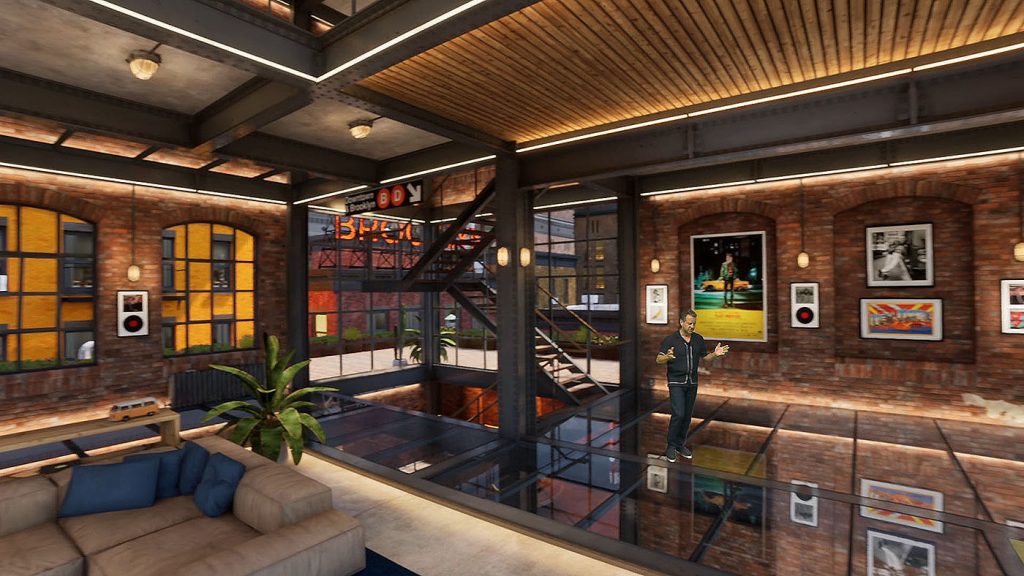
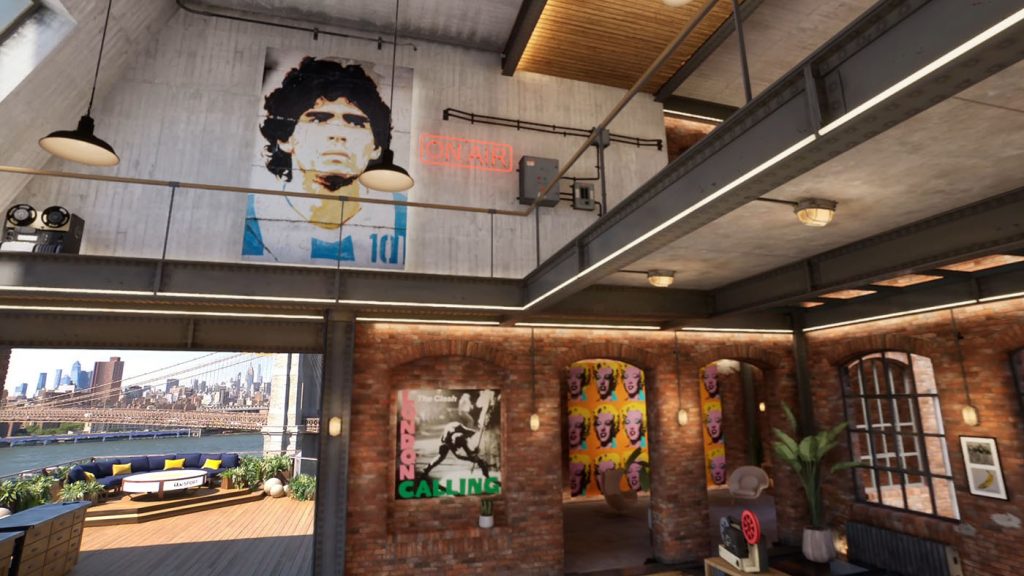
TVBEurope published a piece this week featuring the ITV Sport FIFA World Cup 2026 studio, the hybrid physical/virtual environment we designed and built for ITV’s coverage from Brooklyn, New York. Jenny Priestley spoke with me about how the project came together: the design collaboration with Toby Kalitowski of BK Design Projects, the technical challenges of blending real and virtual on a rooftop stage on the 12th floor of a former Watchtower building, and the particular headaches that come with variable natural light and a 17′ Scorpio crane moving between interior and exterior in the same shot.
It’s a good article, and I’m glad it exists. But I want to say something about why coverage like this matters, beyond the obvious.
Every project Lightwell takes on is genuinely different. The briefs are complex, the constraints are always specific to a broadcaster, a location, a production workflow, and the creative solutions that emerge are shaped by all of those factors in equal measure. There’s no template. The thinking that produced a timber pavilion set in the Swiss Alps for the BBC Women’s Euros is entirely different from the thinking that produced a hybrid rooftop studio in Brooklyn. What carries across is the methodology, not the outcome.
A piece like this one in TVBEurope does something that a brochure or a website case study can’t quite do on its own: it puts the work into context, in a publication that the people we want to reach are already reading. Broadcast designers, technical directors, heads of sport, production executives. These are the decision-makers who will be commissioning the next major tournament studio, the next flagship news set. When a project of this scale is covered seriously by the trade press, it signals something to that community: that this is work worth paying attention to, that the approach is credible, that the results speak for themselves.
Recognition from within the industry also matters in a slightly different way. The broadcast world is not enormous. People know each other, move between organisations, and share notes on what worked and what didn’t. When one of the most technically ambitious hybrid real/virtual environments we’ve undertaken is covered with genuine rigour, that explanation now exists in print, in the right place, for the right readers.
The best line of feedback we received on the ITV studio was from viewers who thought the virtual elements were real. That’s the job done. This article helps explain how, and to whom it matters, that explanation now exists in print.
You can read Jenny Priestley’s piece in full at TVBEurope. And if you’d like to go deeper on the design and delivery of the ITV Sport studio, our case study is here: lightwell.tv/case-studies/itv-hybrid-real-virtual-set-for-fifa-world-cup-2026